Skip to content Skip to footer

How Exosomes Are Redefining Modern Skincare


Exosomes in Skincare: The Science Your Skin Has Been Waiting For

Skincare has a new buzzword. But unlike most, this one has genuine science behind it.
Exosomes have been making waves in dermatology for the past few years. Researchers are publishing studies. Clinics are adding them to treatment menus. And patients are starting to ask about them by name.
So what exactly are exosomes? What do they do for your skin? Here’s what you need to know.

Exosomes are one of the most talked-about advances in dermatology right now, and the science actually backs the hype. Here’s what they are, what they treat, and how they work alongside treatments like microneedling and laser

What Are Exosomes?

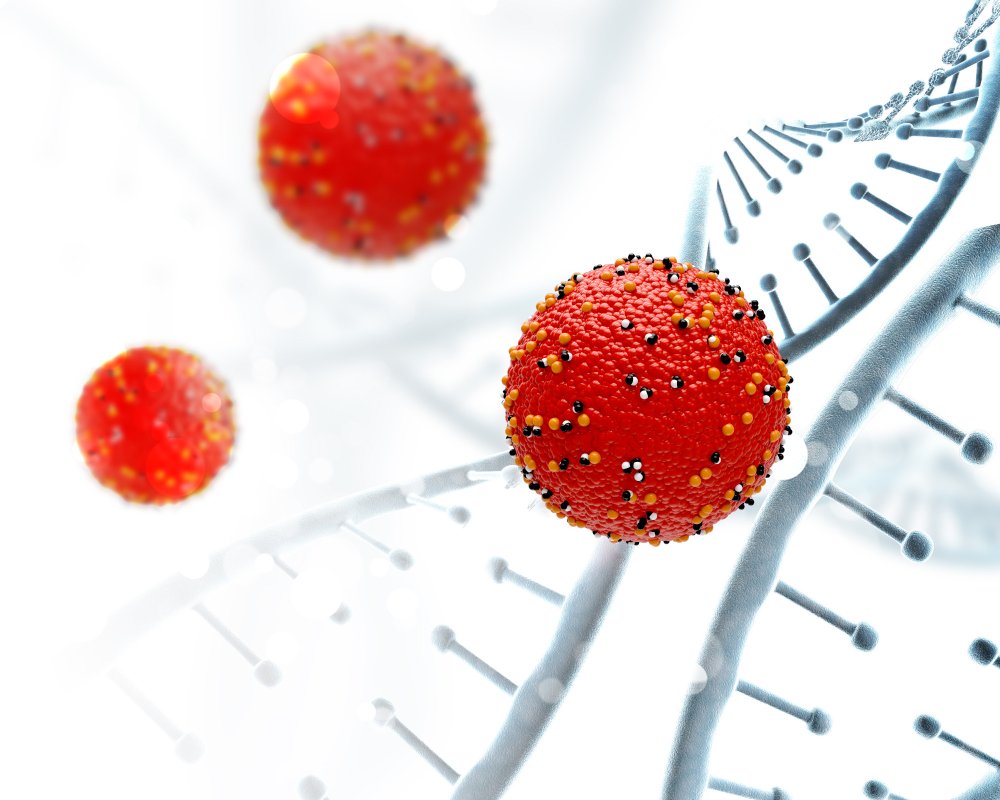
Skin cells are always communicating. They send signals back and forth to manage repair, calm inflammation, and keep everything functioning as it should. Exosomes are what carry those signals between cells.
Think of them as tiny biological packets. Each one is loaded with proteins, growth factors, and genetic material, all packed in with one job: deliver instructions to the next cell and trigger a response. When a cell receives those instructions, it acts on them. Collagen gets made. Damaged tissue starts to repair. Inflammation settles.
The ones that matter most in skincare come from stem cells. Stem cell-derived exosomes carry the most concentrated regenerative signals, and when those signals reach ageing or damaged skin, the results go deeper than anything a standard serum can achieve.


Why Exosomes Are Different From Regular Skincare

Ingredients like peptides, vitamins, hyaluronic acid, and growth factors all play a valuable role in skin health. What makes exosomes especially interesting is what they do alongside them.
Exosomes act as intelligent carriers. Their biological structure allows them to help transport active ingredients deeper into the skin, past layers that would otherwise limit absorption. At the same time, they send direct signals to skin cells, prompting repair and collagen production.
This is why exosomes combine so naturally with treatments to deliver nutrients and stimulate the skin. The result is faster recovery, deeper action, and better outcomes overall.

What Can Exosomes Do for Your Skin?

  • Skin Regeneration and Anti-Ageing
Collagen production slows with age. Skin loses firmness, fine lines settle in, and texture becomes uneven. Exosomes for skin regeneration send targeted signals to cells that have slowed down, prompting fresh collagen production. Results come gradually, which is exactly why they look natural.
  • Pigmentation and Uneven Skin Tone
Melanocytes, the cells that produce pigment, can go into overdrive after sun exposure or inflammation. Exosomes help regulate that activity. With consistent treatment, dark spots soften, sun damage fades, and skin tone becomes more even.
  • Acne Scarring
Acne scars form when deep inflammation disrupts the skin’s collagen structure. Exosomes signal the skin to remodel that damaged tissue, gradually improving texture and smoothing pitted or rolling scars over a course of treatments.
  • Hair Restoration
One of the most exciting emerging uses for exosomes is hair restoration. Exosomes applied to the scalp can reactivate dormant follicles, extend the active growth phase, and build density over time. It is a non-surgical option worth exploring early, before thinning becomes more established.
  • Post-Treatment Recovery
Applied after microneedling, laser, or radiofrequency treatments, exosomes calm redness, speed healing, and enhance results beyond what the treatment alone would achieve.


How Are Exosomes Used?

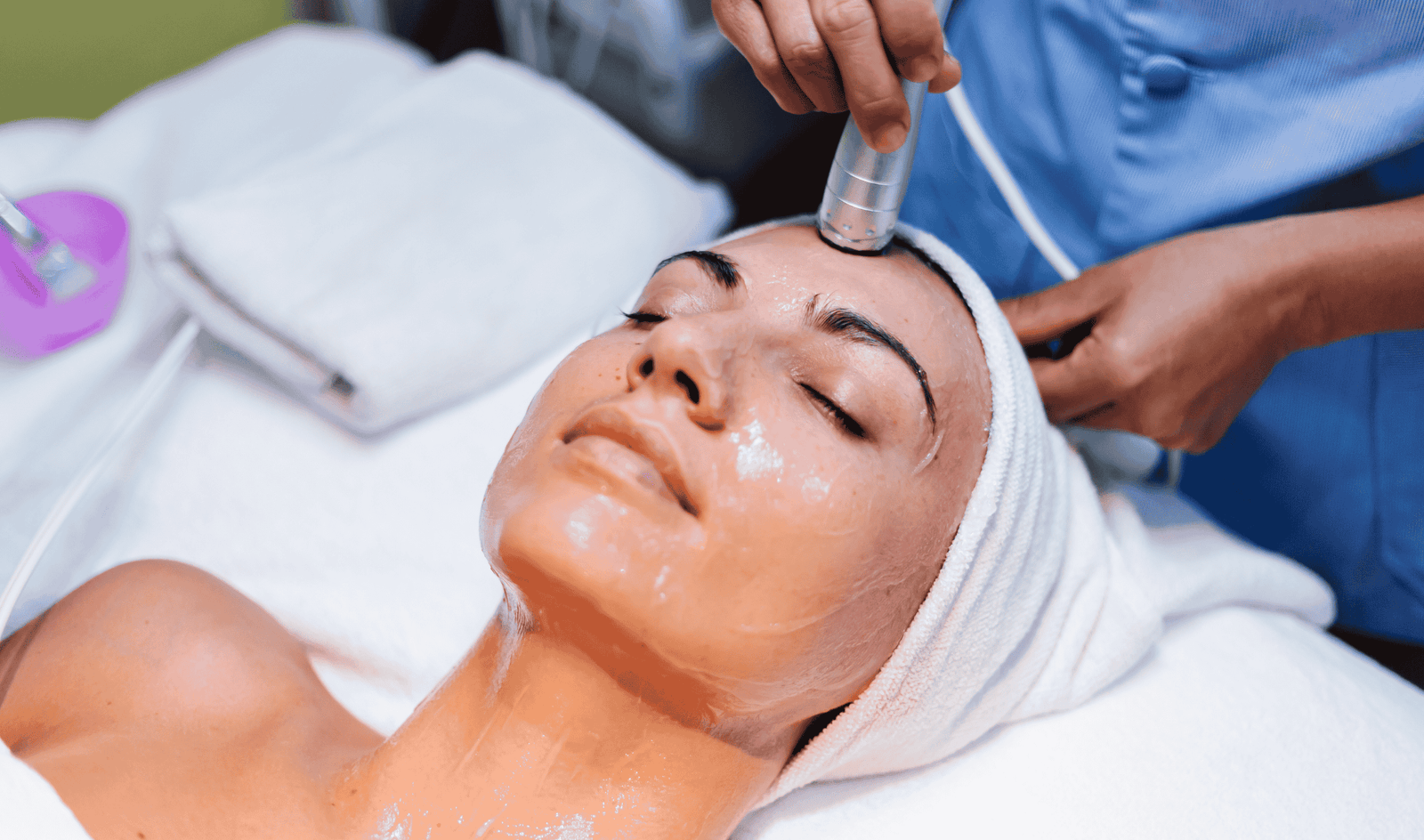
In clinic, the most effective way to use exosomes is straight after a treatment that opens up the skin. Those micro-channels give exosomes a direct route past the outer barrier and into the deeper tissue where the real regenerative work happens.
They are also used as standalone topical serums in a daily skincare routine. Used consistently, they support skin health, maintain results from in-clinic treatments, and keep the regenerative process going between sessions.


Treatments That Pair With Exosomes

Microneedling and Exosomes

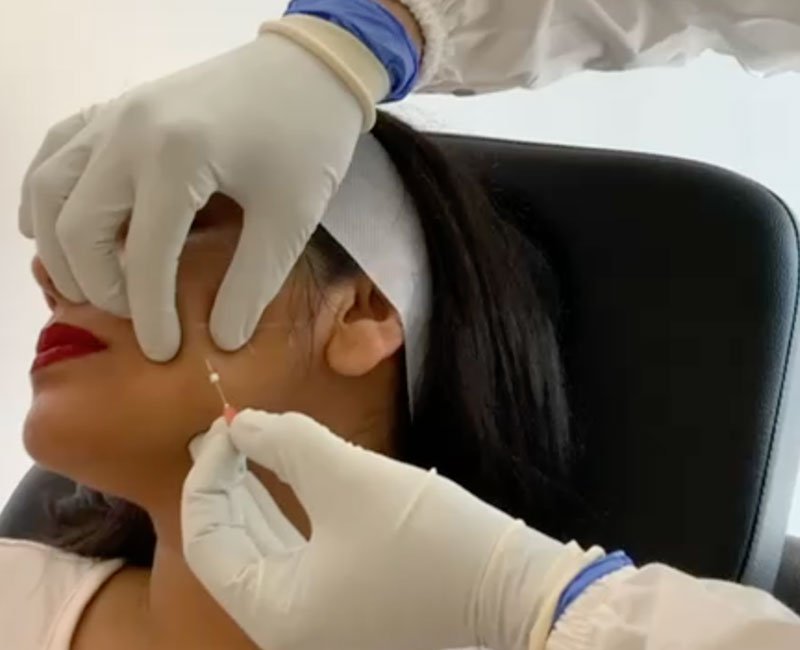
Microneedling creates tiny channels in the skin that allow actives to travel much deeper than usual. Exosomes applied at this stage reach the tissue level and amplify the repair signal where it counts. Texture, hydration, elasticity, and pore size all respond more noticeably than with microneedling on its own.

Fotona Laser and Exosomes

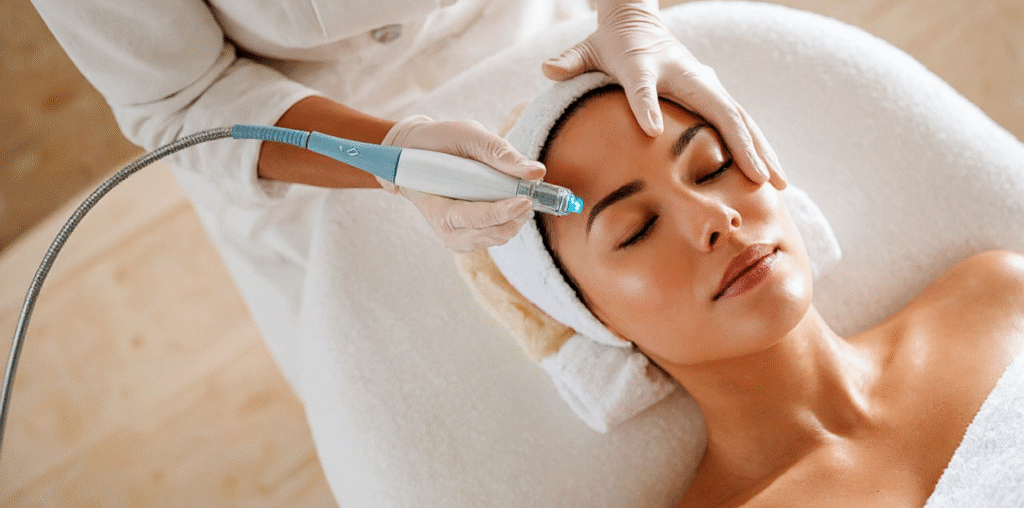
Fotona laser treatments work by heating tissue at precise depths to stimulate collagen without breaking the skin surface. Adding exosomes after supports the collagen-building process and helps the skin recover more efficiently, giving better and longer-lasting results.

Chemical Peels and Exosomes

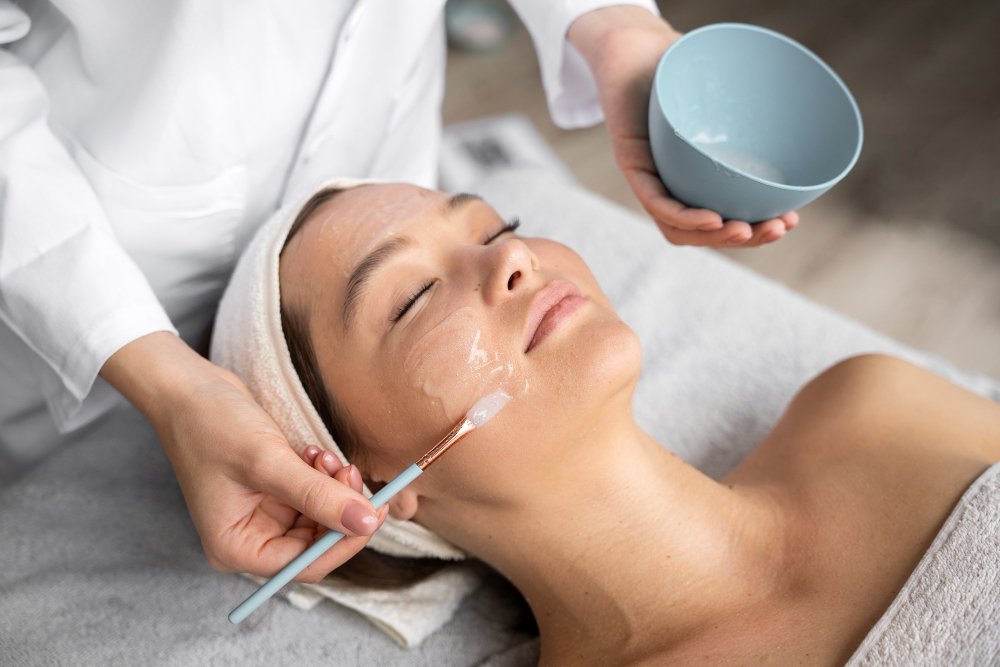
A peel opens up the skin temporarily and makes it more receptive to active ingredients for a short window. Applying exosomes at this stage supports the skin’s natural repair process, reduces recovery time, and improves the overall quality of the result.

 
Is This the Right Treatment for You?

Exosomes are not a one-size-fits-all solution. Every person’s skin tells a different story. What works for one concern may not be the priority for another, and dropping exosomes into a routine without understanding what the skin actually needs is a bit like guessing. It might help. It might not do much at all.
A proper skin consultation changes that. It puts a name to what is happening, sets realistic expectations, and maps out whether exosomes belong in the plan and how to get the most from them.
At Maya Medi Spa, we stay at the forefront of evidence-backed skin treatments. If you are looking to explore whether it is right for you, book a consultation with us today.

FAQs

How is this different from other regenerative treatments?

Treatments like PRP draw on your own blood to deliver growth factors. Exosomes deliver targeted regenerative signals from an external source at a consistent concentration every session. Both have their place, and some practitioners use them together depending on what the skin needs.

Yes. They come from carefully screened sources, contain no live cells, and carry no risk of immune rejection. Most people tolerate them very well. Choosing a qualified practitioner and a clinic that uses high-quality exosomes makes all the difference.

It depends on what you are treating. Most skin regeneration goals show meaningful results after 2 to 3 sessions. Hair restoration usually needs a longer course. Your practitioner will advise based on your specific situation.

Yes, and they often work better that way. Microneedling, laser, and RF treatments all pair well with exosomes, amplifying recovery and overall results.

No downtime from the exosomes themselves. If combined with microneedling or laser, some redness from the primary treatment is normal. Exosomes help reduce that recovery window.

Yes. They work well together. There is usually a short waiting period after fresh filler, and your practitioner will advise on timing.

Facebook
Twitter
LinkedIn

Recent Posts

+91- 74065 66275

Timings:

Monday – Sunday
10:30 AM – 7:00 PM

Bengaluru Clinic:

3rd floor, 2005, 100 Feet Rd, 2nd stage Indiranagar, HAL 2nd Stage, Indiranagar, Bengaluru, Karnataka 560008

+91- 95157 52793

Timings:

Tuesday – Sunday
10:30 AM – 7:00 PM

Hyderabad Clinic:

2nd floor, Tirath Towers, Rd Number 7, opposite Hilltop @7, Resham Bagh, Banjara Hills, Hyderabad, Telangana 500034

Maya Medi Spa © 2025. All Rights Reserved.