Skip to content Skip to footer

How to Treat Underarm Pigmentation: A Dermatologist’s Guide

Underarm pigmentation is more common than you think, and very much treatable. Here’s what actually causes dark underarms and what you can do about it.


What Your Underarm Pigmentation Is Trying to Tell You and How to Treat It

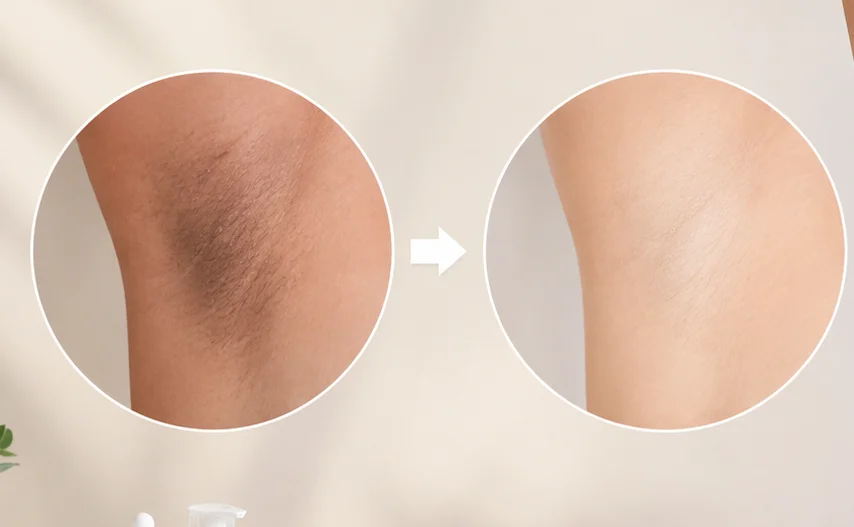
Dark underarms are one of those concerns people quietly deal with for years. You think twice before raising your arm. You skip sleeveless tops even in summer. And no matter what you try, the underarm pigmentation just will not budge.
Here is what most people get wrong: they treat dark underarms as a hygiene issue when it is actually a skin concern. One with real, identifiable causes and real, effective solutions. Once you understand what is driving it, the path forward, along with the armpit, becomes much clearer.


What Causes Underarm Pigmentation?

Underarm pigmentation rarely comes from just one thing. Most of the time, it is a combination of triggers that have built up over time. Here are the most common ones. 


Insulin Resistance and Hormonal Changes

This one surprises a lot of people. Conditions like insulin resistance, type 2 diabetes, PCOS, and thyroid dysfunction are among the leading medical causes of underarm darkening. They overstimulate melanocytes, the cells responsible for pigment, leading to a condition called acanthosis nigricans: thick, velvety, darkened skin in body folds like the underarms and neck.
If your darkening has a raised or velvety texture, or spreads beyond the underarm crease, get it assessed by a doctor before starting any cosmetic treatment.

Hair Removal Methods

Repeated shaving and waxing is one of the most common everyday triggers. It creates micro-trauma through friction to the skin, leaves stubble just below the surface that gives the area a darker appearance, and causes ongoing low-grade inflammation that tells the skin to produce more melanin over time.

Friction from Clothing

Tight fabrics rubbing against the delicate underarm skin every day cause chronic inflammation. The skin responds by depositing more pigment as a form of protection. Synthetic fabrics and snug fits make this worse.


Deodorants and Antiperspirants

Fragrances, alcohol, and certain preservatives in underarm products irritate the skin regularly. That irritation triggers post-inflammatory pigmentation, which is the same process that causes dark marks after a breakout.

Genetics and Skin Tone

For people with naturally deeper skin tones, some degree of underarm pigmentation is completely normal and not a concern. Melanin-rich skin produces pigment more readily in response to any kind of irritation, so the triggers above have a stronger and faster effect.

 
Lifestyle Changes That Actually Help

Before any product or treatment can do its best work, addressing the daily triggers makes a real difference. These are not optional extras; they are the foundation.
  • Switch your deodorant. Move to a fragrance-free, alcohol-free formula. For some people, removing this single irritant is enough to see gradual improvement on its own.
  • Wear looser, natural fabrics. Cotton reduces friction and lets the skin breathe, cutting down on the daily inflammatory load that feeds pigmentation.
  • Moisturise the area daily. Underarm skin is thinner than most people realise. Keeping it hydrated supports the barrier and helps it recover faster from any treatment.
  • Exfoliate once a week, no more. A gentle lactic or glycolic acid exfoliant clears dead skin buildup, which can make pigmentation look darker than it actually is. Going beyond once a week worsens inflammation.
  • Consider laser hair reduction. For anyone who shaves regularly, this is the most impactful change to make. It removes hair at the root, eliminates the shadow from sub-surface stubble, and ends the repeated trauma cycle that drives pigmentation. It addresses the cause, not just the outcome.


In-Clinic Treatments for Stubborn Underarm Pigmentation

When lifestyle changes are in place and products are not shifting the pigmentation, professional treatments make a significant difference.
Here is what works.
Cosmelan, Dermamelan, and Meline Depigmentation Treatments
Think of these as the heavy hitters for underarm pigmentation. Cosmelan and Dermamelan work in two phases: an in-clinic application followed by a take-home programme. They interrupt melanin production at several stages simultaneously, which is why they work on pigmentation that has refused to budge for years. Meline follows the same principle but is made specifically for sensitive body areas like the underarms. All three are a completely different league from anything over the counter.
Body Peels
Targeted chemical peels using AHA and BHA acids exfoliate the pigmented surface layers and stimulate fresh cell turnover. A targeted peel removes the top pigmented layers of skin and pushes the cells underneath to renew faster. Sessions are spaced three to four weeks apart, and each one builds on the last. Skin tone and the depth of pigmentation determine which peel strength gets used, so the treatment is always matched to what the skin can handle.
Laser Hair Reduction
For pigmentation driven by repeated shaving or waxing, laser hair reduction is both a treatment and a prevention strategy. By permanently reducing hair growth, it removes the daily trauma cycle entirely. Over a course of sessions, many patients see visible improvement in underarm tone alongside the hair reduction itself.
Fotona Laser
Fotona targets melanin sitting deeper in the skin, where topical products simply cannot reach. The laser heats the tissue at a controlled depth, breaking down pigment and prompting the skin to renew from within. It pairs well with a depigmentation protocol for anyone dealing with persistent or deeply set darkening.
Microneedling with Brightening Actives
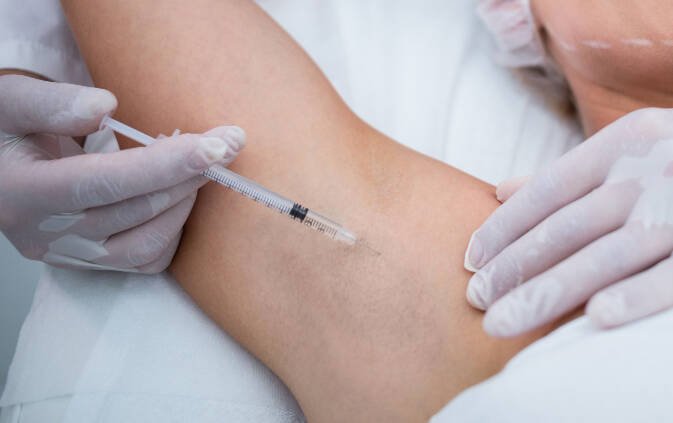
On its own, the skin only absorbs a fraction of what you put on it. Microneedling changes that. The tiny channels it creates give brightening actives like vitamin C, kojic acid, and niacinamide a direct route into the deeper tissue, where they can actually get to work on the pigment rather than sitting on the surface.


When to See a Dermatologist First

Sometimes the skin is telling you something bigger is going on. Sudden darkening, a thick or velvety texture, pigmentation that is creeping beyond the underarm fold, or darkening that arrived alongside fatigue, weight shifts, or irregular periods, all of these are worth getting checked medically before starting any cosmetic treatment. Treating the skin without knowing what is driving it from the inside tends to deliver patchy, short-lived results.


When the root cause is understood, everything else works better. At Maya Medi Spa, we look at what is actually behind the pigmentation before recommending anything. Whether that leads to a depigmentation protocol, a peel course, laser hair reduction, or a mix of treatments, the plan is built around your skin. Book a consultation with us today.

FAQs

Can dark underarms fade without treatment?

Sometimes, yes, if you remove the trigger completely. Switch deodorants or stop shaving, and skin may lighten gradually. Long-built pigmentation, however, usually needs active professional treatment.

At-home care takes some patience and consistency. Clinic treatments like peels deliver visible change within a few sessions.

No, rarely. Even stubborn cases respond well to targeted treatments along with lifestyle fixes, addressing both the pigment and the trigger causing it.

Yes, especially if shaving or waxing drives it. It ends trauma cycles or the constant friction. It can also be paired with a dermatologist recommended brightening routine. 

Mild cases can respond well to a consistent at-home routine with the right ingredients. Moderate or severe conditions require clinical help alongside home care for best speed and results.

Mild cases can respond well to a consistent at-home routine with the right ingredients. Moderate or severe conditions require clinical help alongside home care for best speed and results.

Facebook
Twitter
LinkedIn

Recent Posts

+91- 74065 66275

Timings:

Monday – Sunday
10:30 AM – 7:00 PM

Bengaluru Clinic:

3rd floor, 2005, 100 Feet Rd, 2nd stage Indiranagar, HAL 2nd Stage, Indiranagar, Bengaluru, Karnataka 560008

+91- 95157 52793

Timings:

Tuesday – Sunday
10:30 AM – 7:00 PM

Hyderabad Clinic:

2nd floor, Tirath Towers, Rd Number 7, opposite Hilltop @7, Resham Bagh, Banjara Hills, Hyderabad, Telangana 500034

Maya Medi Spa © 2025. All Rights Reserved.