Here’s something interesting about aesthetics today: nobody wants to look like they have got some heavy lifting done. What people actually want is to look like themselves, just the best-rested, best-hydrated version of themselves. You know that look. The one that makes someone look twice and ask, “You look different. Did you do something?”
That shift in mindset is exactly why skin tightening has been on the rise lately. An established favourite like HIFU is now sitting alongside a more comprehensive option like Fotona 4D. Both work. Both have patients who swear by them. But how they go about tightening skin is in completely different ways.
If you’ve been researching non-surgical skin tightening in Bangalore and Hyderabad, chances are these two names keep popping up. So let’s break down what each one actually does, what it feels like, and how to figure out which one suits your skin, your goals, and your schedule.
HIFU: Focused Ultrasound for Targeted Lifting
HIFU stands for High-Intensity Focused Ultrasound. It uses focused ultrasound energy to heat precise points deep within the skin, usually around the SMAS layer, the same tissue surgeons target during a facelift.
Here’s how it works. The device delivers energy at a single focal point, creating tiny thermal coagulation zones at specific depths. This triggers your body’s natural healing response, boosting collagen production over time. Think of it like a magnifying glass focusing sunlight onto a single spot.
What it’s best for: Targeted lifting, especially around the jawline and lower face, with noticeable results for early to moderate laxity.
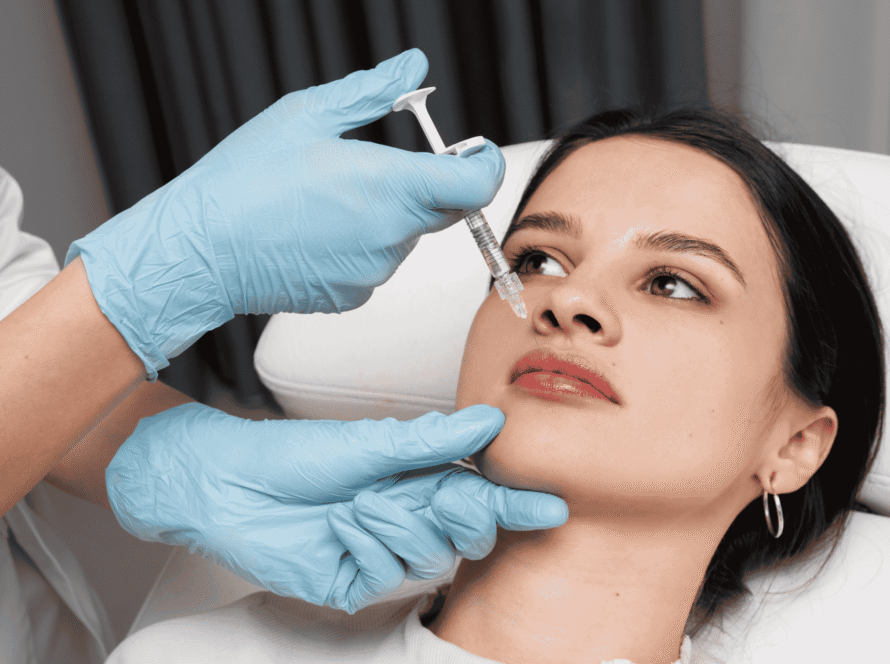
What to expect: Some patients describe a sharp or prickling sensation during treatment, which is why numbing cream is often applied beforehand. Sessions typically take 30–60 minutes.
Fotona 4D: Laser Tightening From the Inside Out
Fotona 4D is a non-invasive laser treatment that uses two wavelengths, including Er:YAG and Nd:YAG, across four distinct treatment modes. It is designed for comprehensive facial rejuvenation that targets multiple signs of ageing at once.
What makes it unique is that it works from both the inside and outside using these four modes:
- SmoothLiftin™ – The laser energy is delivered inside the mouth, targeting the mucosa to tighten the tissue underneath. It lifts the lower face and softens nasolabial folds by addressing sagging from within, a unique intraoral approach you won’t find with most other lasers.
- FRAC3® – Goes after deeper imperfections like pigmentation, sun damage, and uneven tone. The laser stimulates collagen regeneration, essentially triggering your skin’s own repair process for a fresher, more even complexion.
- PIANO® – The deep-tightening mode. Using extended pulses and a brushing technique, it delivers controlled heat deep into the dermis. This is where the long-term tightening and mild fat contouring happens.
- SupErficial™ – This is the final step where gentle light peel clears away dead skin cells, smooths fine lines, and refines texture.
What it’s best for: Comprehensive facial rejuvenation including lifting, tightening, texture improvement, and pigmentation concerns. It is suitable for all skin tones.
What to expect: You might feel a warm sensation during some modes, while others can be prickly. The treatment takes about 60 minutes and has minimal downtime.
What Does the Treatment Actually Feel Like?
The setup for both treatments is quick and similar. Your skin gets cleansed, and a gel is applied. But from there, the experience diverges significantly.
During a Fotona 4D Session
The treatment has four steps, each with a different feel. First, the laser goes inside your mouth, it’s a gentle warmth that targets the lower face. Next, the external steps: one can feel prickly around the eyes, another is a deep, spreading warmth, while the final step focuses on the skin’s surface for a gentle finishing treatment. Most patients find it manageable, though the prickly step is where you notice it most.
During an HIFU Session
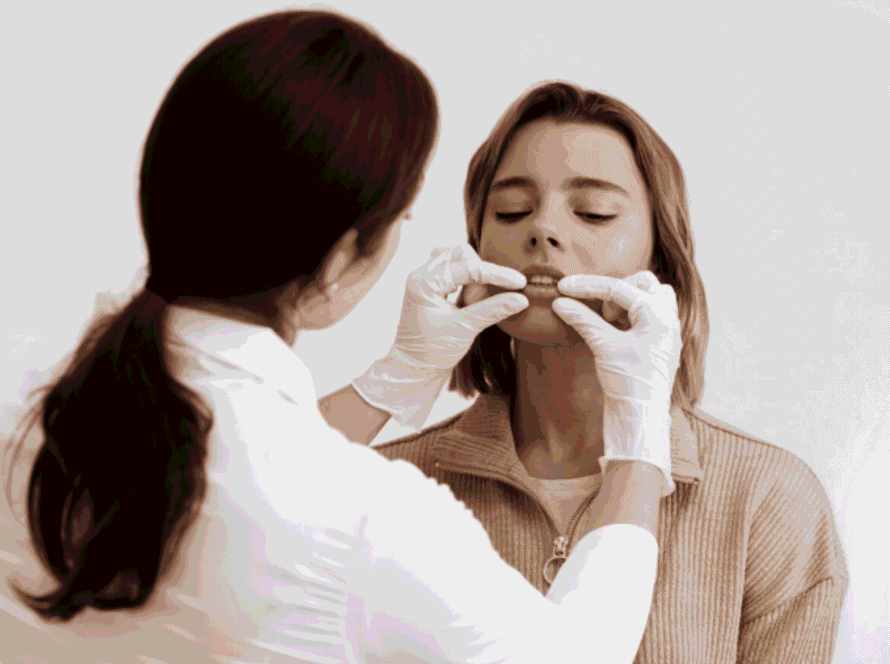
HIFU works differently. The handpiece moves across your skin but pauses at specific points to deliver focused ultrasound pulses, almost like stamping energy into precise spots. Each pulse creates a tiny heat zone deep within the skin. Some patients find this sensation sharp or prickly, which is why numbing cream is often applied beforehand.
Post-Session Vibes
Both treatments have minimal downtime. You might notice some mild redness or warmth, which typically fades within a few hours so that you can return to your normal routine.
Which Treatment Works Best for Which Area?
Now for the practical part. The right treatment really comes down to what you’re trying to fix: your jawline, your neck, your skin texture, or maybe all of these together. Both HIFU and Fotona 4D bring real strengths to the table, just for different concerns. Here’s a breakdown of which one works better for each concern.
Face & Jawline Tightening
HIFU is effective for targeted lifting around the jawline. It uses focused ultrasound to reach the SMAS layer, making it a solid choice for patients with mild to moderate laxity. Fotona 4D, however, offers a more comprehensive approach. Its intraoral SmoothLiftin™ step stimulates collagen from inside the mouth, reaching the structural layer of the lower face, something no external device can touch. This makes it especially effective for nasolabial folds and soft tissue support.
Neck Tightening
HIFU is well-regarded for improving neck laxity. Fotona 4D can also be used on the neck, though its strength lies in comprehensive facial rejuvenation.
Skin Texture & Fine Lines
HIFU primarily targets structural lifting and doesn’t address surface texture. Fotona 4D, on the other hand, addresses both. Its FRAC3® mode targets pigmentation and uneven tone, while SupErficial™ provides a gentle peel that smooths fine lines and refines texture.
Volume Preservation
This is a clinically significant distinction. HIFU’s focused energy can damage fat cells at the focal point, potentially causing hollowing in leaner faces. Fotona 4D’s PIANO® mode uses bulk heating across a continuous area, carrying a lower risk of fat loss and making it a better choice for preserving facial fullness.
Skin Type Safety
Both treatments suit various skin types. HIFU’s focused energy may carry risks for certain skin tones. Fotona 4D’s dual-wavelength approach is considered safe across all skin tones.
A Quick Recap: HIFU vs Fotona 4D
HIFU | Fotona 4D | |
Technology | High-Intensity Focused | Ultrasound Dual-wavelength laser (Er:YAG + Nd:YAG) |
Key Feature | Targeted lifting at the SMAS layer | Comprehensive 4-step protocol with intraoral |
Heating Pattern | Point heating, creates thermal coagulation points | Bulk heating, energy spreads across a continuous area |
What It Targets | Structural lifting only | Lifting + texture + pigmentation + surface refinement |
Fat Cell Impact | Risk of subcutaneous fat damage in lean/older patients | Low risk; PIANO mode uses bulk heating, not point energy |
Comfort Level | Can be sharp or prickly; often requires numbing | Warming sensation; generally well-tolerated |
Downtime | None to minimal | Minimal; mild redness 24–48 hours |
Sessions Needed | 2 sessions 3 months apart | 5 sessions 3 to 4 weeks apart |
Treatment Areas | Face, jawline, neck | Full face, cheeks, forehead, chin, neck |
Making the Choice: Which One Fits You?
Both are excellent. HIFU is a reasonable choice for targeted lifting around the jawline, though it does come with some discomfort during the session and results take 2–3 months to fully appear. Fotona 4D, on the other hand, has become the go-to for many patients today, and that’s exactly why it’s part of our skin-tightening treatments in Bangalore and Hyderabad at Maya Medi Spa. It offers comprehensive rejuvenation, lifting, texture, and pigmentation all in one, with its unique intraoral approach making it especially effective for nasolabial folds and the lower face.
Not sure which one suits you? Let’s talk it through during a consultation. We’ll assess your skin, understand your goals, and recommend the treatment that actually fits.