Skip to content Skip to footer

Coolsculpting

CoolSculpt Stubborn Fat Away & Enhance Your Body

Transform your body with CoolSculpting, an advanced fat-freezing treatment that permanently reduces stubborn fat without surgery.
At Maya Medi Spa, our personalized CoolSculpting treatments help sculpt your body, improve contours, and deliver natural-looking results with little to no downtime.

What is CoolSculpting ® ?

CoolSculpting is an FDA-cleared, non-invasive body contouring treatment that uses controlled cooling technology to target and eliminate stubborn fat cells. The procedure works by freezing unwanted fat beneath the skin without harming surrounding tissues.

Additionally, CoolSculpting is ideal for individuals who maintain a healthy lifestyle but struggle with localized fat that does not respond to diet and exercise. Common treatment areas include the abdomen, flanks, thighs, upper arms, back, and under the chin.

Furthermore, once the treated fat cells are eliminated through the body's natural process, they do not return, providing long-lasting body contouring results when combined with a healthy lifestyle.
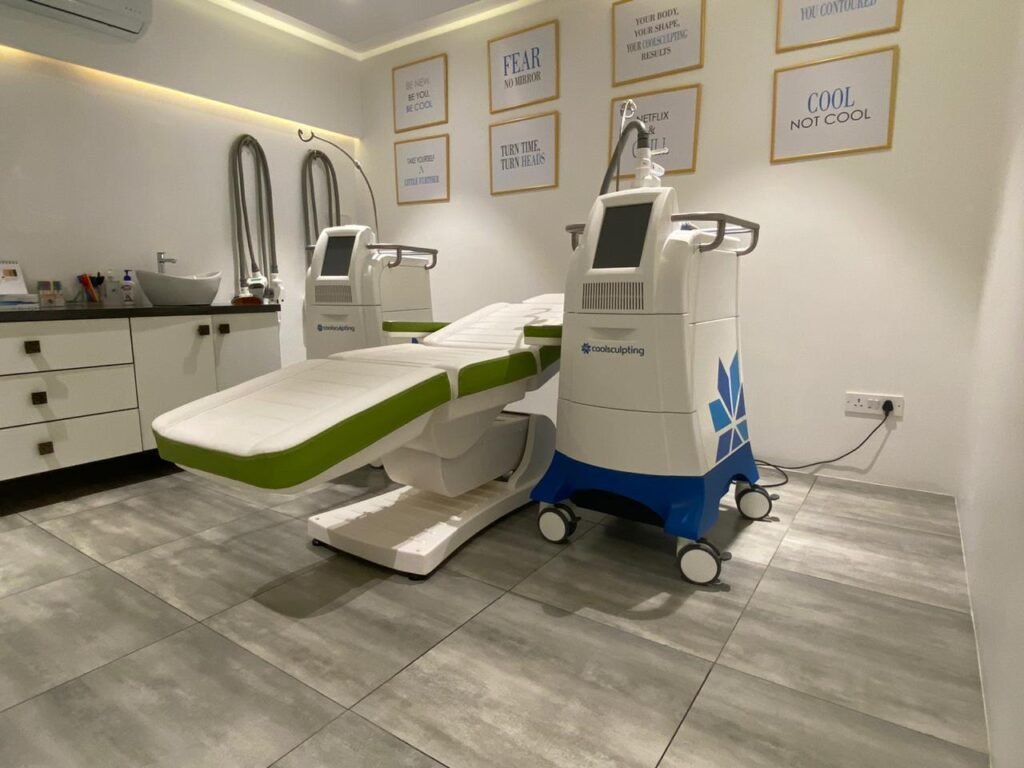
CoolSculpting

Dual CoolSculpting ®

Dual CoolSculpting is an advanced body contouring approach that uses two CoolSculpting applicators simultaneously to treat multiple areas or larger treatment zones in a single session. This innovative technique helps reduce stubborn fat more efficiently while shortening overall treatment time.

Additionally, Dual CoolSculpting uses controlled cooling technology to freeze and eliminate fat cells without surgery, needles, or downtime. The treated fat cells are naturally processed and removed by the body over time, resulting in a slimmer, more sculpted appearance.

Furthermore, Dual CoolSculpting is ideal for treating areas such as the abdomen, flanks, thighs, arms, and under the chin. It offers faster treatment sessions, consistent results, and a comfortable experience, making it an excellent choice for individuals seeking effective, non-surgical body contouring.

CoolSculpting ® Process

Many of us have stubborn fat despite diet and exercise

CoolSculpting ® technology uses controlled cooling to target and kill only these unwanted fat cells

In the weeks to follow, you body naturally processes the fat and eliminates these dead cells
CoolSculpting ® results are long term, as treated fat cells are gone for good

Aftercare Tips Following Ballancer® Pro Treatment

Abdomen Fat Reduction

Targets: Stubborn abdominal fat.

How it works: Controlled cooling freezes unwanted fat cells beneath the skin while protecting the surrounding tissues. Over time, your body naturally eliminates the treated fat cells.

Benefits: Creates a flatter, slimmer abdomen with long-lasting, natural-looking body contouring results.

Double Chin Reduction

Targets: Fat beneath the chin.

How it works: The CoolSculpting® applicator precisely targets submental fat using controlled cooling technology, allowing your body to gradually remove the treated fat cells.

Benefits: Enhances jawline definition, reduces the appearance of a double chin, and improves your overall facial profile.

Flank Reduction

Targets: Love handles and stubborn fat around the waist.

How it works: Controlled cooling freezes fat cells in the flanks, which are then naturally processed and removed through the body's lymphatic system.

Benefits: Creates a more defined waistline, improves body proportions, and enhances your natural silhouette.

Treatment Areas

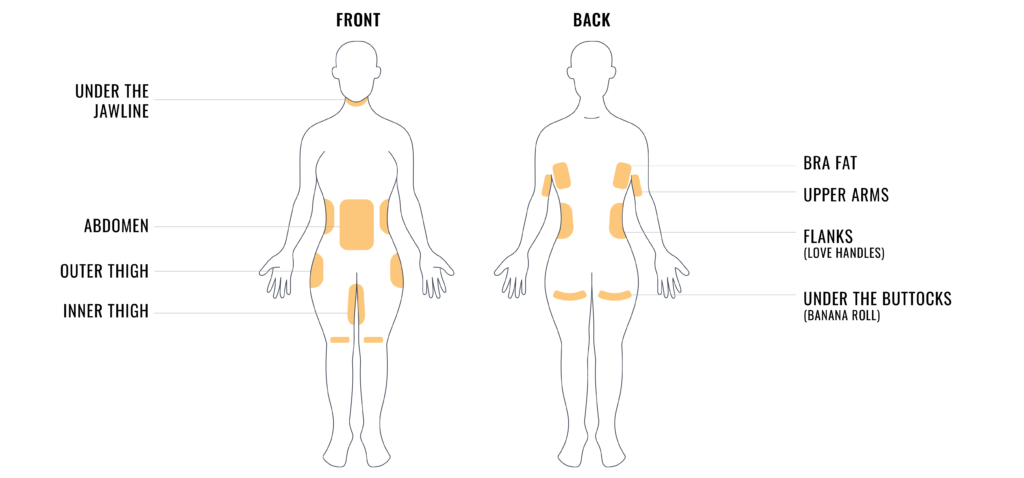
With this technology you can pinpoint the exact areas where you’d like to reduce fat, from the inner thighs to the abdomen. These fat pockets are known for being stubborn and are often even immune to a good diet and an active lifestyle.
Benefits of Ballancer Pro

Reduces Water
Retention

Ballancer® ProBallancer Pro reduces swelling after every session. promoting natural fluid drainage. The gentle compression decreases swelling, relieves bloating, and leaves the body feeling lighter, more comfortable, and refreshed after every session.

Improves Lymphatic
Drainage

Ballancer Pro enhances the body's natural lymphatic drainage process by encouraging the removal of toxins, helps your body remove excess fluid naturally. improved overall comfort.

Enhances Blood
Circulation

The advanced compression technology of Ballancer® Pro improves blood circulation by increasing oxygen and nutrient delivery throughout the body.Because the treatment is non-invasive, there is little to no downtime afterward.

Supports Body
Contouring

Ballancer Pro complements body contouring treatments by minimizing fluid retention and improving lymphatic flow. It helps define body contours, enhances treatment results, and leaves the skin looking smoother and more toned.

Accelerates Post-Surgical Recovery

Following cosmetic procedures, Ballancer Pro helps reduce swelling, bruising, and discomfort by improving lymphatic drainage and circulation. This supports faster healing and a more comfortable recovery process.

Relieves Heavy &
Tired Legs

Ballancer® Pro provides a soothing compression massage that relieves tired, heavy legs caused by prolonged standing, sitting, or physical activity improves circulation It reduces swelling. It helps recovery

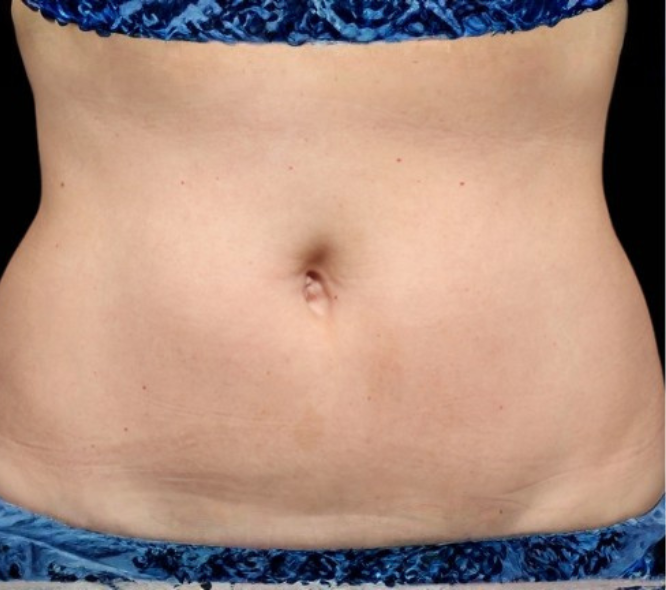
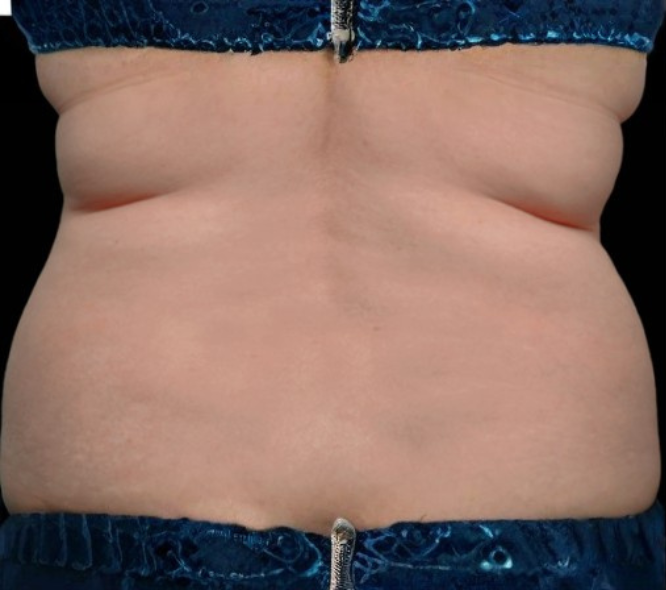
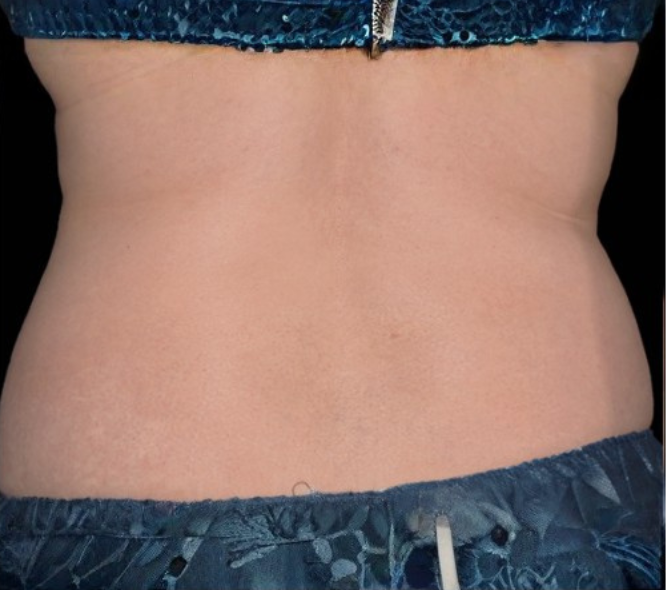
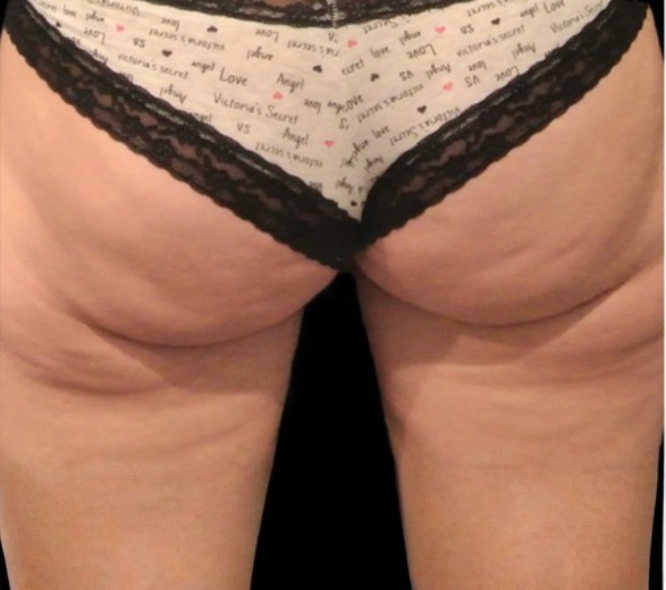
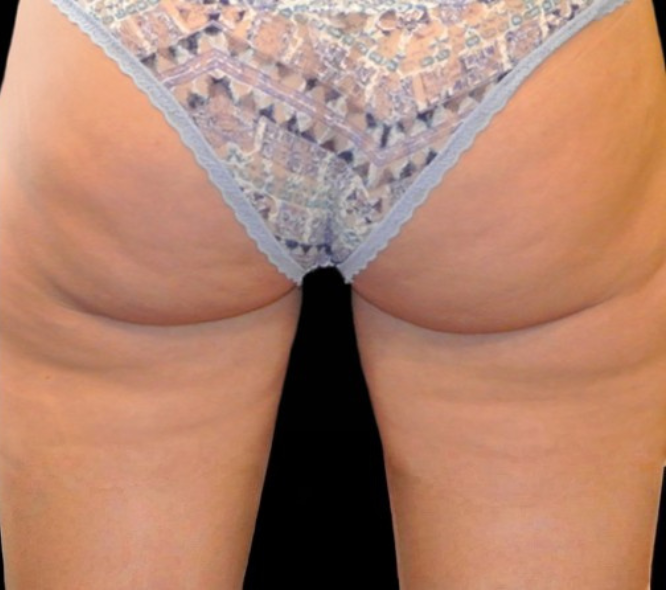
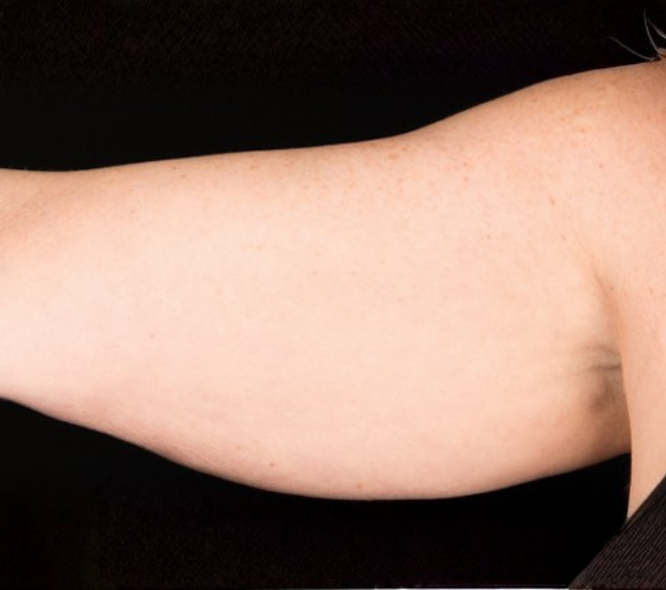
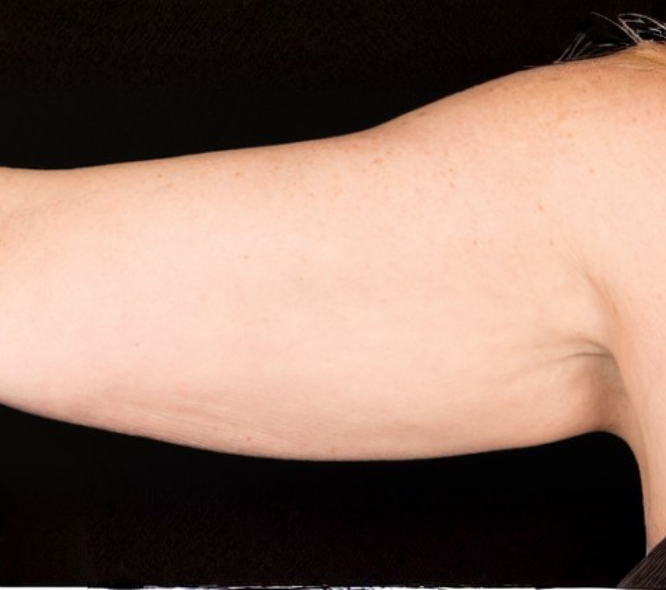
CoolSculpting Treatment at Maya Medi Spa
BeforeBeforeAfter
BeforeAfter
BeforeBeforeAfter
BeforeAfter
BeforeBeforeAfter
BeforeAfter
BeforeBeforeAfter
BeforeAfter

Why Choose Maya Medi Spa for Ballancer Pro?

Experienced Body Contouring Specialists

Custom treatment plans tailored to your wellness goals.

State-of-the-art Ballancer Pro technology for effective lymphatic drainage.

Comfortable, hygienic, and relaxing treatment environment.

Comprehensive support for post-treatment recovery and body wellness. Trusted aesthetic clinic focused on safe, non-invasive treatments.

/ FAQ

Frequently asked questions.

Who is CoolSculpting for?

This technique is for those that are looking to remove extra fat that is resistant and stubborn against other weight loss measures such as diet and exercise. It is not a weight loss treatment. Pregnant or breastfeeding women are also actively discouraged from the procedure.

The fat cells that have been frozen will then be eliminated through the body’s excretory system.

The unique part of this treatment is that there is little to no downtime, and you can go about your daily routine immediately after. In minor cases, there might be some redness or soreness in the area treated.

Results vary from client to client, but in most cases you may start to notice a reduction of fat in the treated area within 3 weeks. The full results may take 3 to 4 months to kick in.

We recommend you get 1-3 sessions of CoolSculpting® done in the desired area for the best results.The fantastic part of the treatment is, once frozen those fat cells are gone forever. But to ensure long lasting results, we encourage clients to lead a healthy lifestyle before and after the procedure.

Book A Free Consultation

Our Client Advisor Team will be in contact with you to finalise your booking.

Ready to Enhance Your Body?

Whether your goal is improved circulation, lymphatic drainage, body contouring support, or post-treatment recovery, Ballancer Pro offers a comfortable and effective solution. Our specialists will create a custom treatment plan based on your individual needs.

PRP Treatment for Hair


Introduction 

One of those issues that subtly erodes confidence is hair loss. It happens gradually, strand by strand, until one day you notice that your hairline is resting a bit further back than it used to, your ponytail feels thinner, or your part appears broader. For decades, there were few options to cope with this: expensive and time-consuming surgical hair transplants, prescription drugs with long-term commitments, or over-the-counter serums with mediocre outcomes.

PRP (Platelet-Rich Plasma) therapy, a minimally invasive, scientifically supported option that uses your own blood to stimulate hair growth, has become a popular middle ground in recent years. It’s discussed everywhere, from celebrity interviews to dermatology clinics, but how much of the excitement is genuinely warranted?

Everything you need to know about PRP hair treatment is broken down in this guide, including what it is, how it works, who it is for, what the research indicates, what to anticipate during the procedure, and how to determine whether it’s suitable for you.

PRP Hair Treatment: What Is It?
Platelet-Rich Plasma is referred to as PRP. It is made from your own blood and contains a concentrated amount of platelets, which are microscopic cell fragments that aid in clotting but are also loaded with growth factors that aid in tissue regeneration and repair.

Similar to a standard blood test, a tiny sample of your blood is taken during PRP hair treatment. After that, the sample is rotated in a centrifuge, a device that divides blood into its constituent parts according to density. By isolating the plasma and concentrating the platelets, this spinning process produces a golden-colored liquid that is high in proteins that promote growth. The parts of the scalp that are thinning or losing hair are then directly injected with this concentrated plasma.

The basic idea underlying PRP is that platelets’ growth factors can stimulate weak or dormant hair follicles, enabling them to enter (or remain longer in) the hair cycle’s active development phase. The procedure is regarded as a low-risk, autologous therapy because it uses the patient’s own blood, which means there is little likelihood of an allergic reaction or rejection because your body isn’t being exposed to any foreign substance.

PRP is not just for hair restoration. It has long been utilized in sports medicine (imagine professional athletes recuperating from injuries), orthopedics (for tendon and joint ailments), and cosmetic medicine (as part of “vampire facials” for skin regeneration). The same regenerative mechanism is naturally extended by its use for hair loss.

In reality, how does PRP affect hair follicles?

Knowing a little bit about the hair growth cycle itself is helpful in understanding why PRP might aid in hair growth. Each hair strand goes through three stages of growth.

The active stage during which the hair follicle is creating new hair is known as the 

  1. anagen (growth phase).
    The duration may range from two to seven years.
  2. Catagen, also known as the transition phase,
    is a brief period that lasts a few weeks during which the follicle starts to shrink and hair growth decreases.
  3. Telogen, or the resting phase,
    is when the hair completely stops growing and finally sheds to create space for new hair to start the cycle over.

Follicles spend less time in the anagen phase and more time in the telogen phase in disorders like androgenetic alopecia, the most prevalent kind of hair loss in both men and women. Additionally, follicles may shrink and produce thinner, shorter, and more brittle hairs with time, finally ceasing to produce any hair at all.

PRP is believed to function via a number of mechanisms:

  • stimulating dermal papilla cells
    , which are essential for controlling the growth and cycling of hair follicles.
  • encouraging angiogenesis, or the development of new blood vessels
    , which enhances the flow of nutrients and blood to hair follicles.
  • prolonging the anagen phase,
    which could prolong the time that follicles are in the active growth stage.
  • lowering the inflammation surrounding the follicle
    , which is thought to be a factor in some types of hair thinning.
  • activating particular growth factor pathways,
    such as transforming growth factor-beta (TGF-β), platelet-derived growth factor (PDGF), vascular endothelial growth factor (VEGF), and epidermal growth factor (EGF), all of which are involved in cell proliferation and tissue regeneration.

Instead of growing new hair follicles from beginning, PRP basically seeks to “wake up” dormant or underperforming follicles. This is a crucial distinction: PRP works best on follicles that are weaker but still alive, not on bald patches of the scalp where there is no more follicular activity.

Who Makes a Good PRP Candidate?
Those with early to moderate hair thinning are more likely to benefit from PRP than those with advanced or chronic baldness. This is due to the fact that the treatment depends on stimulating already-existing follicles; if a follicle has been inactive for a long time, it may no longer react to biochemical signals at all.

Typical examples of good applicants are:

  • Individuals with male or female pattern hair loss due to early-stage androgenetic alopecia
  • People who have regions of
    widespread thinning
    instead of total baldness
  • Those seeking a
    non-surgical alternative
    to enhance other therapies
  • Those who wish to
    support the outcomes of hair transplants
    (PRP is frequently used in conjunction with transplant surgery to promote graft survival and stimulate surrounding hair)
  • Although outcomes can differ, those with specific forms of
    alopecia areata

PRP might not work as well for:

  • Long-dormant follicles and advanced baldness
  • Some scarring alopecias, in which the follicle structure is irreversibly damaged
  • Individuals with certain chronic illnesses, blood abnormalities, or coagulation problems (a contact with a doctor is needed)
  • Heavy drinkers or smokers, as these behaviors might hinder the body’s ability to mend and regenerate

Before prescribing PRP, a skilled dermatologist or trichologist would typically examine your scalp, go over your medical history, and occasionally do a scalp biopsy or trichoscopy (a magnified scalp inspection) to see if your follicles are likely to respond.

What Does the Research Indicate?

Over the past ten years, PRP has been investigated in an increasing number of clinical trials for hair loss; the general picture is cautiously optimistic, though not without complexity.

When compared to a placebo (usually saline injections), PRP injections significantly improved hair density, thickness, and decreased hair shedding in patients with androgenetic alopecia, according to a number of randomized controlled trials and systematic reviews. Trichoscopy and standardized photography have been employed in certain studies to quantify gains in hair count per square centimeter throughout treatment in an objective manner.

However, scholars have also identified certain shortcomings in the current corpus of evidence:

  • It is challenging to directly compare outcomes since
    protocols vary greatl
    y between research. For example, the number of sessions, the injection technique, the concentration of platelets, and the follow-up time vary from clinic to clinic and study to study.
  • Many studies lack long-term follow-up beyond a year, and
    sample sizes are typically small.
  • Due to variations in the underlying cause and stage of hair loss,
    individual outcomes fluctuate greatly
    and not everyone reacts in the same manner.
  • PRP is frequently more successful when used in conjunction with other therapies,
    such as finasteride or minoxidil, than when used as a stand-alone treatment.

In summary, the scientific community believes that PRP is a valid, somewhat successful treatment for some forms of hair loss; nonetheless, it is not a cure-all and is best used as a component of a more comprehensive approach to hair health rather than as a panacea.

What Takes Place in a PRP Session? Step by Step

Knowing exactly how PRP works from beginning to end is helpful if you’re thinking about it.

  1. First Consultation

In addition to examining your scalp and going over your medical history, your doctor may inquire about any drugs you’re taking, your family history, and your pattern of hair loss. This is the moment to inquire about anticipated results, the cost, and the number of sessions you might require.

  1. Drawing Blood

Similar to a conventional blood test, a tiny amount of blood is taken from your arm on the day of treatment, usually between 10 and 60 milliliters, depending on the clinic’s protocol.

  1. Centrifugation

The blood sample is put in a centrifuge and spun for a few minutes at a high speed. Red blood cells fall to the bottom, platelet-poor plasma rises to the top, and platelet-rich plasma lies in the middle, which is the layer that is retrieved for use.

  1. Preparing the Scalp

To reduce discomfort during the injections, your scalp is cleansed and, frequently, a topical numbing lotion is administered.

  1. Injection

The PRP is injected directly into the parts of the scalp that are thinning using a small needle; the injections are often spread out in a grid-like design to achieve uniform coverage. Usually, this portion of the treatment takes 20 to 30 minutes.

  1. Instructions for Aftercare

Following the procedure, you will receive instructions on how to take care of your scalp. These instructions typically include not washing your hair for a day, avoiding intense exercise for 24 to 48 hours, and avoiding blood thinners like ibuprofen for a brief period of time because they can disrupt platelet function.

From blood draw to injection, the entire appointment typically takes between sixty and ninety minutes.

How Many Meetings Are Required?
PRP is not a one-time event. The majority of providers advise starting with a series of three to four sessions spaced four to six weeks apart. The goal of this first stage is to accelerate the stimulation of follicular activity.
In order to maintain results, many clients switch to maintenance sessions after the first series, usually every four to six months. Patience is essential because hair development is a gradual, cyclical process; noticeable improvement frequently doesn’t show up until three to six months after treatment begins, when new hairs have had time to go through the anagen phase.
What Outcomes Are You Really Expecting?

Setting reasonable expectations is crucial. When there are no functioning follicles on a scalp, PRP cannot completely reverse the effects of aging or regenerate hair. Based on patient-reported outcomes and clinical evidence, it may be able to:

  • One of the first obvious effects is frequently a
    decrease in hair loss.
  • Increased density and thickness of hair
    in thinning areas
  • improved texture of the hair,
    making it look less wispy or brittle
  • slower rate
    of pattern hair loss progression
  • Improved outcomes when used with hair transplants
    by boosting the surrounding native hair and increasing graft survival

Usually taking many months to manifest, the results are gradual rather than striking. While some people have great regrowth and are highly receptive, others only see a slight stability of their current hair rather than substantial new growth. It is challenging to guarantee a particular result because each person’s biology, hormone levels, and cause of hair loss are unique.

Does PRP cause pain? What About Adverse Reactions?

When topical numbing cream is administered prior to PRP injections, the majority of patients report minor discomfort rather than excruciating pain. A tight, pressure-like feeling over the scalp or a series of tiny pinpricks are common descriptions of the experience.

Typical, usually minor adverse effects include of:

  • Swelling or redness at injection sites for a short while
  • Slight soreness in the scalp for a day or two
  • Light bruises
  • A headache
  • Itching for a short while while the scalp heals

Compared to therapies that employ synthetic or donor-derived materials, PRP uses your own blood, which greatly reduces the risk of allergic reaction or disease transmission. However, like with any injection-based surgery, there is a slight risk of infection if appropriate sterile technique isn’t followed, which is why selecting a qualified, experienced provider is crucial

PRP versus Other Treatments for Hair Loss

It’s important to know how PRP compares to other well-liked choices.

PRP vs. Minoxidil (Rogaine): Minoxidil is a daily topical treatment that prolongs the growth phase and improves blood supply to follicles. To maintain effects, regular use is necessary, and discontinuing typically results in the reversal of any increases. In contrast to a daily at-home regimen, PRP entails sporadic in-office visits. For a synergistic effect, several providers advise mixing the two.

PRP vs. Finasteride: Finasteride is an oral drug that lowers DHT, a hormone associated with the shrinkage of hair follicles in androgenetic alopecia. Many men find it beneficial, however there may be hormone-related negative effects. PRP can be used in conjunction with finasteride for people who wish to treat hair loss from several perspectives because it doesn’t change hormone levels.

PRP vs. Hair Transplant Surgery: A hair transplant offers a more significant, long-lasting effect by physically moving hair follicles from a donor location to thinning areas. It’s a more expensive and time-consuming surgical treatment. PRP is more appropriate for people with early-stage hair loss who are not yet candidates for or interested in surgery, and it is frequently used to support transplant results rather than completely replace the procedure.

PRP vs. Low-Level Laser Therapy (LLLT): LLLT is accessible in at-home equipment like laser caps and combs and stimulates follicles using red light wavelengths. It is painless and non-invasive, although it is generally seen to be less effective than PRP. Once more, it is better used in conjunction with other therapies rather than as a stand-alone treatment.

What Is the Price of PRP Hair Treatment?

The number of sessions included in a package, your location, and the clinic’s reputation all have a substantial impact on the cost. A single PRP session can cost anywhere from several hundred to more than a thousand dollars on average. Initial treatment packages, which usually consist of three to four sessions, are more expensive when packaged.

PRP is typically not covered by health insurance because it is typically regarded as a cosmetic or elective therapy, although it is always advisable to verify with your provider and insurance company as coverage policies do occasionally vary.
How to Select a Provider

Not all PRP treatments are made equal, and your results may be greatly impacted by the expertise and tools your therapist uses. Take into account the following while deciding where to have PRP hair treatment:

  • Credentials are important.
    Seek out qualified dermatologists, trichologists, or other health care providers who specialize in PRP for hair restoration rather than just aesthetics.
  • Inquire about their protocol and centrifuge
    . The right tools and methods determine the quality of platelet concentration.
  • Ask for before-and-after pictures
    of prior patients who had a hair loss pattern comparable to your own.
Concluding Remarks

PRP hair therapy occupies an intriguing niche in the field of hair restoration; it is significantly less intrusive than surgery but more complicated than an over-the-counter serum. It provides a genuinely promising option for those in the early-to-moderate stages of hair thinning who wish to take a proactive, minimally invasive approach, and it is supported by an expanding (though still developing) body of clinical data.

It won’t work the same way for everyone, and it’s not a miracle treatment. However, PRP can be a useful tool in the larger hair health toolbox for the right candidate—someone whose follicles are thinning but still alive, coupled with reasonable expectations and a dedication to the multi-session procedure. This is especially true when combined with other treatments like finasteride or minoxidil, or as a supplement to hair transplant surgery. 

A consultation with a licensed dermatologist or hair restoration specialist is the best course of action if you’re seeing early indications of thinning and want to learn more about your alternatives. They may evaluate your particular kind and stage of hair loss and assist you in creating a treatment plan that is customized to your objectives, whether it is PRP, another therapy, or a combination.