How to Get Rid of Dark Lips Safely and Effectively
Dark lips holding you back? Discover safe, clinician-approved treatments to reduce lip pigmentation and restore an even, confident smile.
What Causes Dark Lips? And How to Treat Lip Pigmentation for Good
Dark lips are one of those concerns people notice every day but rarely talk about out loud. You spot them in the mirror, in photos, in certain lighting, and it quietly chips away at your confidence.
Here is the thing, though. Lip pigmentation is not permanent. It is also not random. There is always a reason behind it, and once you know the reason, you can actually do something about it.
Why Do Lips Get Darker Over Time?
Lip pigmentation builds up slowly. Most people cannot pinpoint exactly when it started, but it almost always traces back to one of a few key triggers.
Sun exposure tops the list. Your lips naturally produce very little melanin. So UV rays hit them hard. Over time, that repeated damage creates uneven darkening across the lip surface.
Smoking is another big one. Nicotine restricts blood flow to the lips and pushes melanin production into overdrive. The result? A dull, greyish tone that gets worse with each cigarette.
Hormonal shifts, from pregnancy, thyroid conditions, or birth control, can trigger melasma-like pigmentation around and on the lips. This kind tends to sit deeper in the skin. That is why it rarely responds without proper clinical treatment.
Friction and inflammation matter too. Licking your lips repeatedly, using cheap lip products, or over-exfoliating can all set off post-inflammatory pigmentation.
Low iron or B12 is worth checking as well. Nutritional deficiencies often show up first on the lips as a persistent, dull, darkened tone.
So before jumping to a solution, figure out your trigger. The right treatment depends entirely on what caused the problem in the first place.
Can Dark Lips Actually Be Treated?
Yes, but it depends on how deep the pigmentation goes.
Surface-level dark lips, caused by sun damage or a reaction to a product, tend to respond well and relatively quickly. Deep pigmentation, especially hormonal, needs a more precise, medical-grade approach.
One thing is clear: waiting does not help. Lip pigmentation rarely fades on its own. In fact, the longer you leave it, the deeper the melanin deposits settle in.
Why Professional Treatment Is the Smarter Choice
Your lip skin is far thinner than the rest of your face, just three to five cell layers, compared to sixteen on your cheeks. That makes it reactive. Easy to irritate. Easy to damage.
Most brightening products on the market? Not built for lips. They are designed for facial skin. Used on the lips, they often cause dryness, inflammation, or make dark lips worse, not better.
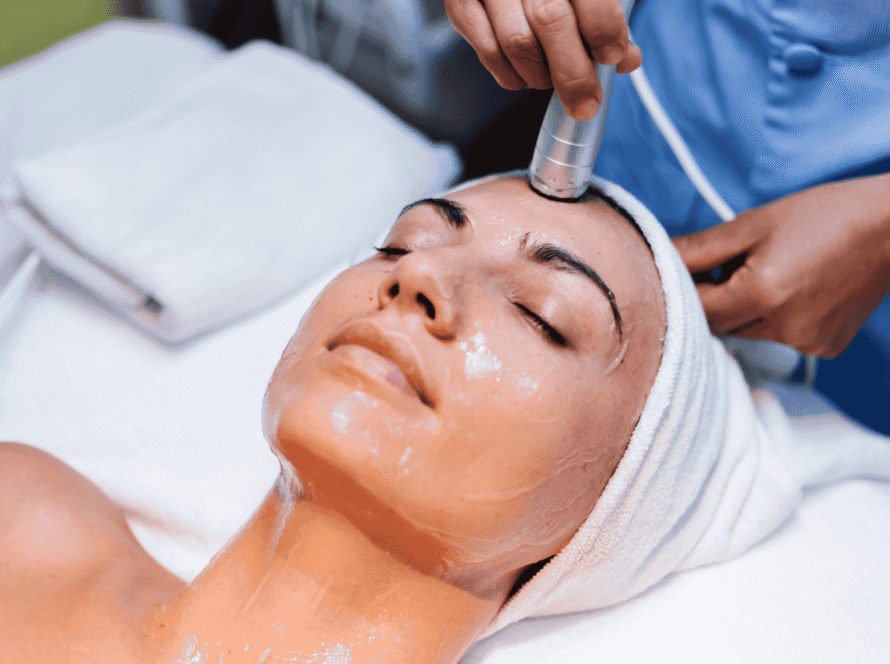
Professional treatments work differently. They target melanin production at the source, adjust to your specific skin type, and are supervised throughout. For Indian skin, especially, that level of precision is not optional; it is essential. Darker phototypes are significantly more prone to post-inflammatory pigmentation. The wrong treatment can set things back instead of moving them forward.
Clinical Treatments for Dark Lips and Lip Pigmentation
Not every treatment suits every type of dark lips. The right choice depends on your pigment depth, skin tone, and what triggered the discolouration.
ME LINE Intimate Peel
ME LINE Intimate Peel targets lip pigmentation directly. It combines gentle chemical exfoliation with depigmenting actives formulated for sensitive lip skin. Together, they clear existing dark pigment on the lips and block the signals that keep triggering melanin overproduction.
It works especially well for dark lips caused by sun exposure, friction, or post-inflammatory darkening. Visible brightening typically starts within the first few weeks and builds steadily over the course of treatment.
Dermamelan Intimate Peel
For deeper, more stubborn lip pigmentation, Dermamelan Intimate Peel is a step up. It targets the melanocytes responsible for dark lips and regulates their activity at the source, rather than simply lightening what is visible on the surface.
This is the go-to for hormonal lip pigmentation, perioral melasma, or discolouration that has not responded to lighter options. Treatment runs in two phases: an in-clinic application first, followed by a structured home regimen.
LipLase by Fotona
LipLase takes a completely different route; no peels, no chemicals. It uses a precise Er:YAG laser wavelength to target pigmented cells directly on the lip surface. Controlled laser energy breaks down the dark pigment and stimulates collagen renewal beneath.
For clients who want a needle-free, peel-free option, LipLase is an excellent fit. It also improves overall lip texture and tone alongside pigmentation. Sessions are quick, downtime is minimal, and results build gradually over two to three months.
When Should You See a Dermatologist?
Most dark lips are a cosmetic concern and nothing more. But some situations do call for a clinical eye.
See a dermatologist if your lips darken suddenly without an obvious reason. Go in if the discolouration has uneven borders or an unusual texture. Also flag it if other symptoms, including fatigue, swelling, or dryness, show up alongside the pigmentation. Certain medications, including antimalarials and some blood pressure drugs, can also trigger lip pigmentation as a side effect.
A good dermatologist will tell you quickly whether you are dealing with cosmetic pigmentation or something that needs medical attention and build a plan that is safe for your skin.
Ready to Do Something About Your Dark Lips?
Lip pigmentation is very much treatable. But results come when the treatment fits the person, not the other way around.
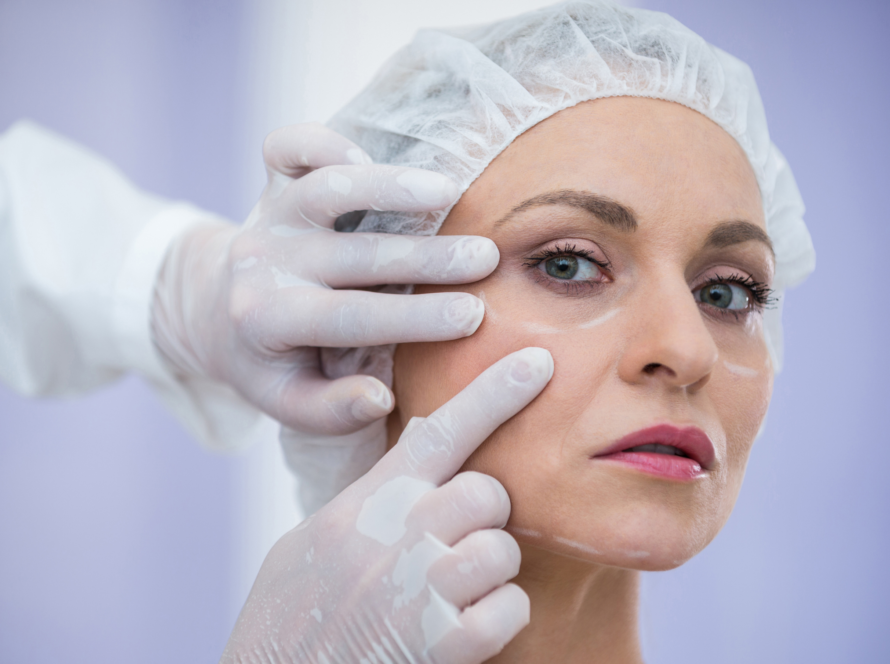
At Maya Medi Spa, dermatologists assess your lip pigmentation in detail before recommending anything. Every protocol is tailored to your skin type, pigment depth, and what triggered the problem. Treatments are delivered by trained specialists, calibrated for Indian skin tones, and built to deliver results that last.
If you have been putting this off, there is no better time to start.