Dry, Cracked Lips? Here’s How to Treat Chapped Lips Effectively
Chapped lips have a way of showing up at the worst times. Right before a big event, in the middle of a perfectly good day, or somehow every single winter without fail. You reach for your lip balm, slather it on, and get maybe forty minutes of relief before the tightness creeps back. Sound familiar?
Here is what most people do not realise: dry, cracked lips are not always just a weather problem. Yes, cold air strips moisture fast. But chronically dry lips, the kind that won’t quit no matter what you do, usually have more going on underneath. Dehydration, your daily habits, even the products you are using to fix the problem could be making it worse.
It is one of those things that feels cosmetic but actually affects how you feel day to day. Eating, talking, smiling – none of it should hurt. So let’s break it all down properly.
So… Why Do Lips Get Chapped Anyway?
Lip skin is different from the skin on the rest of your face. It is much thinner, has no sebaceous glands, and cannot produce its own moisture. That makes it vulnerable, more so than most people give it credit for.
Cold, dry weather is the obvious trigger, but indoor heating is just as bad. You are essentially sitting in a room that is slowly pulling moisture out of your skin all day.
Dehydration hits the lips hard too. When you are not drinking enough water, the body redirects hydration to your organs first. Your lips are low on that priority list, so they’re often the first place to show it.
Then there’s the lip-licking habit. It feels like it helps, but saliva evaporates quickly and takes whatever natural moisture was left along with it. Over time, it makes flaky lips worse, not better.
A few other culprits worth knowing include mouth breathing that dries the lip surface constantly. Some medications like retinoids and certain blood pressure drugs also lead to lip dryness as a side effect. And allergic reactions to ingredients in toothpaste or flavoured balms are more common than people expect. Sometimes the DIY treatments really are the problem.
At-Home Fixes: What Works and What’s a Waste of Time
A decent lip balm is a good starting point. Look for ones with shea butter, beeswax, lanolin, or ceramides rather than fragrances or camphor. The latter tend to feel cooling at first but ultimately make dryness worse.
Hydration matters more than most people prioritise. It sounds too simple, but consistently drinking enough water does make a visible difference to lip texture over time.
If you have got a buildup of flaky skin, gentle exfoliation once or twice a week helps. A small amount of sugar mixed with a bit of oil. Just do not do it daily; the lips do not need that much, and over-exfoliating strips the barrier you are trying to rebuild.
Sleeping with a moisturizing balm on is genuinely useful. Nighttime is when your skin does most of its repair work, so giving your lips something to work with overnight makes a difference.
When Should You Stop DIY-ing and See a Pro?
There comes a point where it stops being about finding the right balm and more about figuring out what is actually going on. If cracks are not healing after a week or two of consistent care, that is worth taking seriously.
Bleeding cracks, persistent soreness, or any swelling around the lip area can signal infection or an underlying skin condition: neither of which responds well to lip balm alone. And if you have genuinely tried everything and nothing holds, that is your sign to get a proper opinion from someone qualified.
Professional Treatments That Actually Heal Dry Lips
When the skin barrier is compromised, or when lips have lost the structural hydration they need to stay healthy, topical products can only go so far. These three clinic-based treatments work differently as they address what’s happening inside the tissue, not just on top of it.
Skinvive Injections: Hydration That Works From the Inside
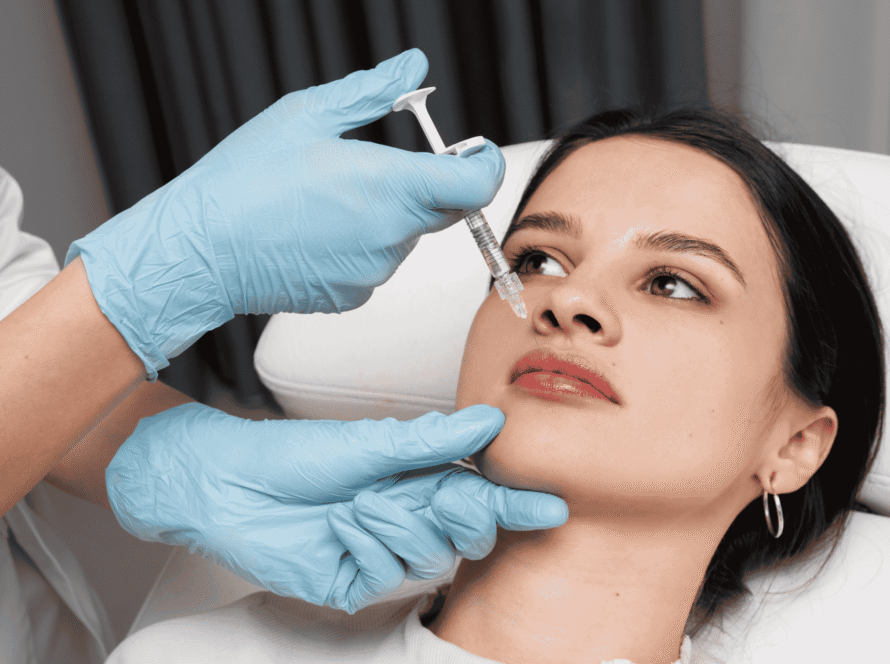
Skinvive is a skin booster containing Hyaluronic Acid 12mg, which means it delivers deep hydration directly into the deeper layers of the lip rather than sitting on the surface. The results are noticeably different from anything you can get from a balm. Lips look plumper and feel genuinely softer, not just coated with something.
This works well for people whose lips are chronically dry, thin, or have that slightly deflated look that comes with age or dehydration. It is also a good call if you want subtle volume alongside better hydration because the two tend to come together with Skinvive injections.
Sessions are quick. Most clients go straight back to their day afterwards, and results build over a few days rather than hitting all at once, which keeps things looking natural.
Rejuran Microneedling: For Lips That Need Real Repair
Rejuran takes a more restorative approach. It uses polynucleotides, a regenerative ingredient derived from salmon DNA, delivered through microneedling directly into the lip tissue. The goal is not just hydration. It is actual cellular repair.
This is particularly helpful for lips that have been damaged over time, whether from years of sun exposure, chronic cracking, or just ageing. Because it works with your skin’s own healing process, the results tend to feel more like your natural lips at their best rather than something added on top.
If you are dealing with fine lines around the mouth alongside the dryness, Rejuran addresses both. Collagen production gradually improves over several weeks, so clients often notice their lips continuing to look better even after treatment has ended.
Profhilo Microneedling: Serious Hydration, No Extra Volume
Profhilo is a name that gets mentioned a lot in skin quality conversations, and for good reason. Unlike standard fillers, it is an injectable that combines both high and low molecular weight Hyaluronic Acid chains, not to add volume as a filler would, but to deeply hydrate and improve the elasticity of the tissue itself.
When microneedled into the lips, Profhilo spreads through the tissue and essentially retrains it to hold moisture better. If your lips look dull and dry rather than just feeling it, or if the skin around your mouth has lost its bounce, this is worth considering.
It works gradually, which is part of why the results look so natural. Most clients see the biggest improvement after two to three sessions, with lips that stay softer and better-hydrated for noticeably longer between treatments.
Small Daily Habits That Keep Dry Lips From Coming Back
Treatments do the heavy lifting, but a few everyday habits protect what you have gained. Stay hydrated, swap your balm for one with SPF, and make a conscious effort to stop licking your lips; that last one is harder than it sounds, but it matters.
A thick balm overnight is the simplest thing you can add to your routine. Your skin repairs itself while you sleep, so give it something to work with.
Your Lips Deserve Better
Chronically dry lips are not something you just live with. Whether the fix is a better nighttime routine or a clinical treatment, there is always a next step that actually moves things forward.
Book a consultation at Maya Medi Spa, and we will work out what your lips genuinely need – no guesswork, no one-size-fits-all advice. Just a clear plan and real results.
FAQs
Can dry lips be a sign of a vitamin deficiency?
Is it okay to wear lipstick or lip liner when my lips are cracked?
Not really. Product tends to bleed into cracks and make flaking more noticeable. Some ingredients can also slow healing. If you must wear something, stick to a tinted balm until your lips recover.