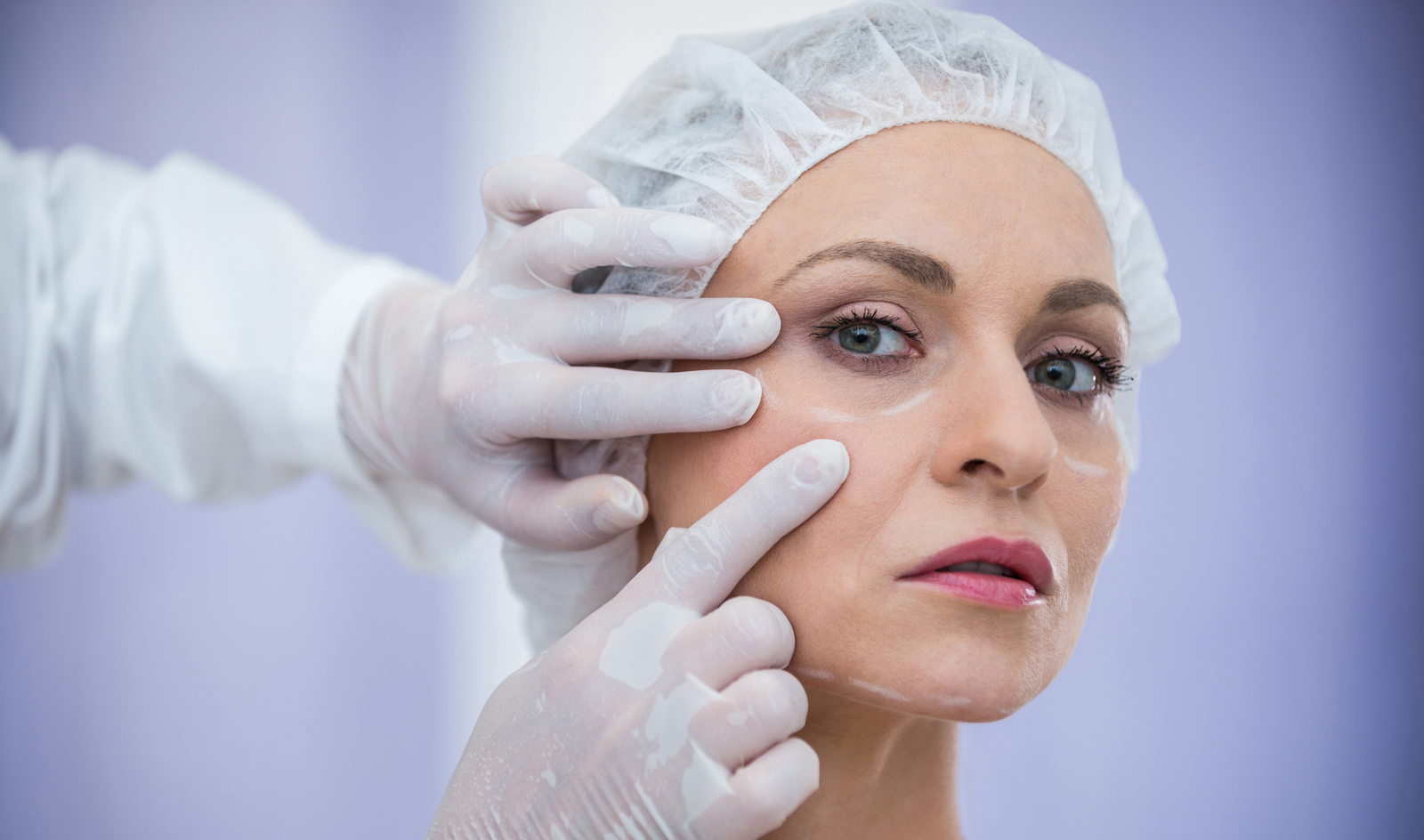
From oil buildup to sudden breakouts and stubborn dark spots, skin concerns rarely appear solo. Hydrafacial treatment has become a popular solution for managing multiple skin concerns through a single, comprehensive approach. Oily skin can trigger acne, acne can leave behind marks, and pigmentation can make the complexion look uneven and dull over time.
This multi-step treatment cleanses, exfoliates, and hydrates the skin while targeting pore congestion and uneven tone, offering both immediate and long-term results.
Oily Skin, Bacteria and Breakouts: Understanding Acne at Its Source
Oily skin produces excess sebum that mixes with dead skin cells, environmental debris, and acne-causing bacteria. This buildup clogs pores, causing blackheads, whiteheads, and inflamed pimples. Bacterial growth inside clogged follicles increases inflammation and delays healing.
Adult acne usually appears along the jawline, chin, and lower face. Unlike adolescent acne, it is influenced by hormonal fluctuations, stress, pollution, and product residue. These factors weaken the skin barrier and increase oil production, creating an environment where bacteria can thrive. Over time, such repeated breakouts can damage surrounding tissue and leave visible marks on the skin.
From Acne to Pigmentation: How the Skin Responds
Inflammation from breakouts can trigger excess melanin production in affected areas, leading to post-inflammatory hyperpigmentation (PIH). Sun exposure, oxidative stress, and delayed cell turnover further deepen discoloration. Sometimes acne and hyperpigmentation also coexist and require an integrated approach rather than isolated treatment methods.
What Is Hyperpigmentation?
Hyperpigmentation shows up as patches of skin darker than the surrounding area due to excess melanin production. Melanin is the pigment responsible for skin and hair colour. It commonly develops as an aftereffect of acne, sun exposure, hormonal changes, or certain medications.
It commonly shows up on the skin as:
- Melasma: Grey or brown patches on cheeks, forehead, nose bridge, and upper lip, often hormone-related.
- Post-inflammatory hyperpigmentation (PIH): Marks left behind after acne or skin injury.
- Sun spots and dark spots: Brown or black patches from UV exposure.
- Dark circles: Pigmentation around the eyes linked to genetics or fatigue.
- Dry-skin pigmentation: Uneven, ashy tone caused by impaired barrier function and slow cell turnover.
Hydrafacial Treatment as a Dual Solution
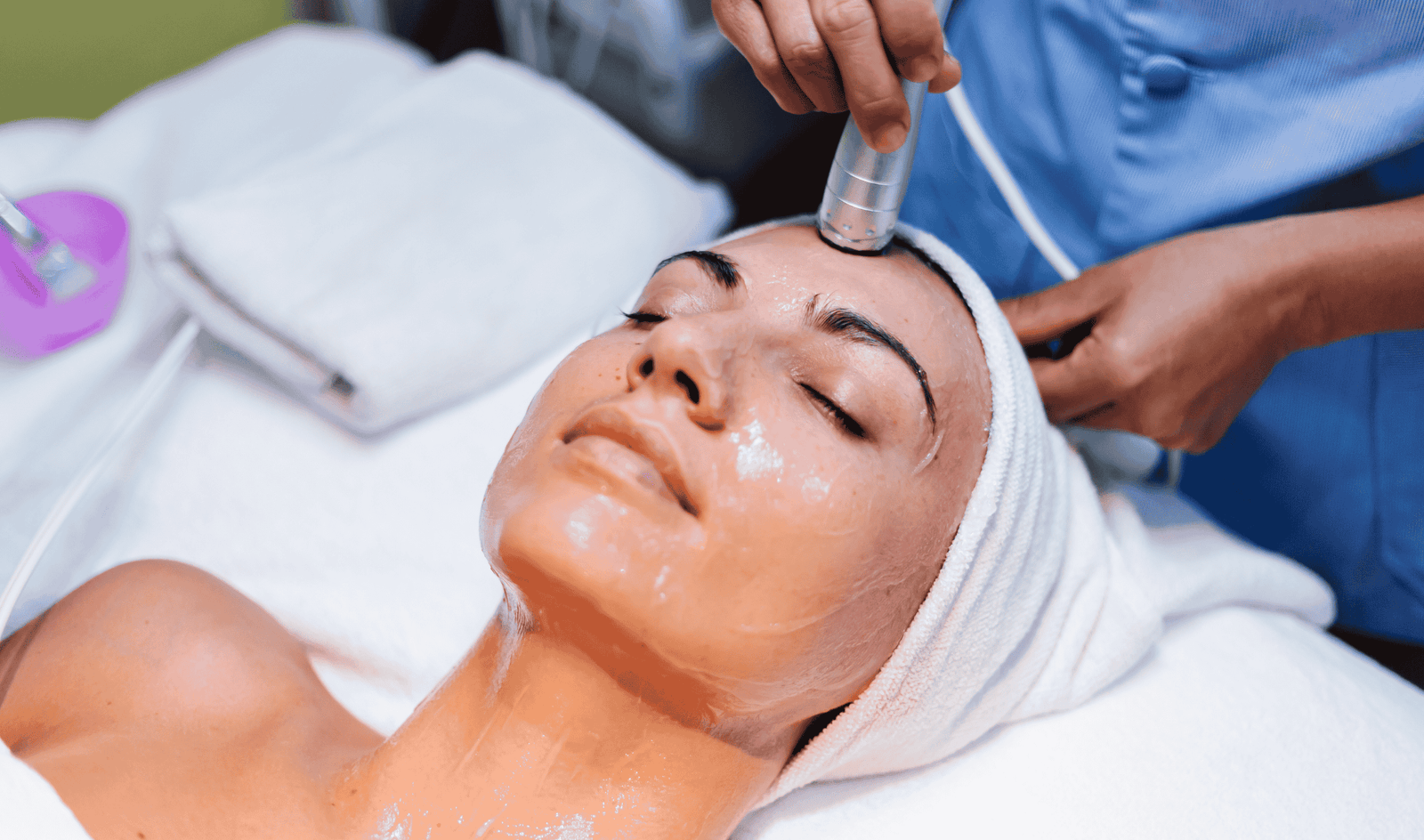
Hydrafacial Treatment addresses acne and pigmentation through a structured multi-step process that cleanses, exfoliates, and infuses active ingredients that the skin requires.
For acne-prone and oily skin:
Acne-prone skin requires controlled exfoliation and deep cleansing without disrupting the barrier. Vortex-Fusion® technology creates a spiral flow that removes excess sebum, dead skin cells, and acne-causing bacteria from pores. A blend of salicylic and glycolic acids breaks down blockages and reduces inflammation. Vacuum-assisted extraction clears congestion without manual pressure, lowering the risk of scarring. Hydration and antioxidant infusion restore moisture balance, helping prevent excess oil production and supporting long-term clarity.
For hyperpigmentation and uneven tone:
Hydrafacial targets areas of dark spots and uneven tone by exfoliating melanin-rich cells and delivering brightening serums. Antioxidants and peptides reduce new pigment formation while supporting collagen renewal. Hydration strengthens the barrier and enhances light reflection, resulting in a smoother, more even, and radiant complexion.
Benefits and Results of Hydrafacial Treatment
Hydrafacial treatment offers visible improvements from the first session. For acne-prone and oily skin, it unclogs pores, reduces bacterial buildup, and limits active breakouts. For pigmentation, it fades dark spots, melasma, and post-inflammatory marks while promoting healthy cell turnover.
The treatment is safe for all skin types, including sensitive skin, and requires minimal downtime. Regular sessions every 2–4 weeks for acne and every 4–6 weeks for pigmentation help maintain results and prevent future flare-ups. Hydration and antioxidant infusion strengthen the skin barrier, enhancing resilience against environmental stressors and supporting long-term skin health.
Whether managing active acne or persistent pigmentation, Hydrafacial treatment offers a targeted, customizable solution for clearer, balanced, and radiant skin, while supporting long-term skin health.
Questions We Hear All the Time
- Can Hydrafacial treatment be done during active acne flare-ups?
Hydrafacial treatment can be performed on mild to moderate active acne, as it does not involve harsh manual extractions. However, severely inflamed or cystic acne may require medical management first before cosmetic treatments are introduced.
- Can Hydrafacial treatment be combined with other acne or pigmentation treatments?
Yes. Hydrafacial treatment is often used alongside prescription skincare, chemical peels, or laser treatments as part of a broader treatment plan. A dermatologist may space procedures appropriately to avoid over-exfoliation and ensure optimal skin recovery.
- What skincare precautions should be followed after Hydrafacial treatment for pigmentation-prone skin?
After treatment, daily sun protection is essential to prevent new pigmentation from forming. Using a broad-spectrum sunscreen, avoiding excessive heat exposure, and maintaining a gentle skincare routine helps preserve results and reduce the risk of rebound darkening.